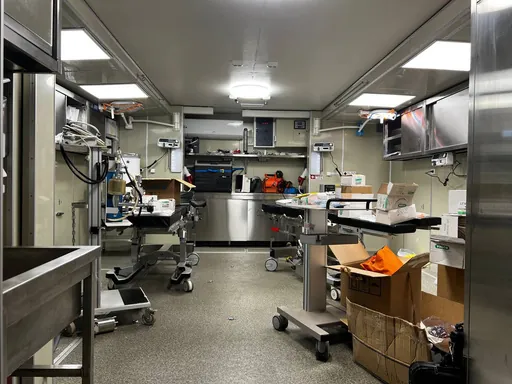
Medical modules tested in the harshest conditions of current conflicts — from first aid to a full operating theatre.

Autonomous medical modules bring full acute care wherever it is missing — from war zones to civilian emergencies. Military medicine works with the “golden hour”: 90% of casualties can be saved if they receive help within an hour of being wounded.
Modules from our portfolio have served in active deployment with Ukrainian units since 2022 and are continuously improved based on feedback from military medics and the Ukrainian Ministry of Defence. These are not prototypes — this is equipment that saves lives every day.
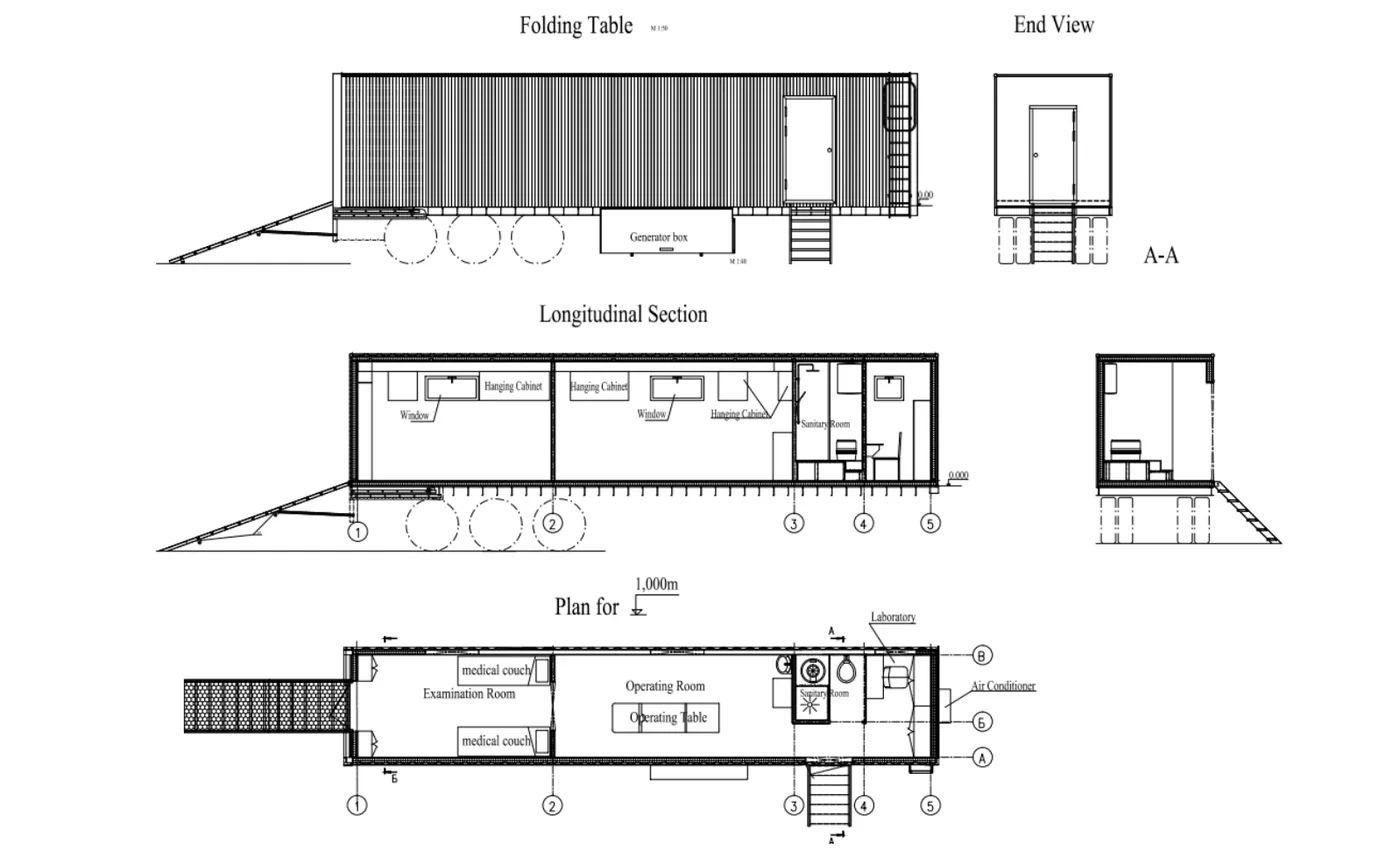
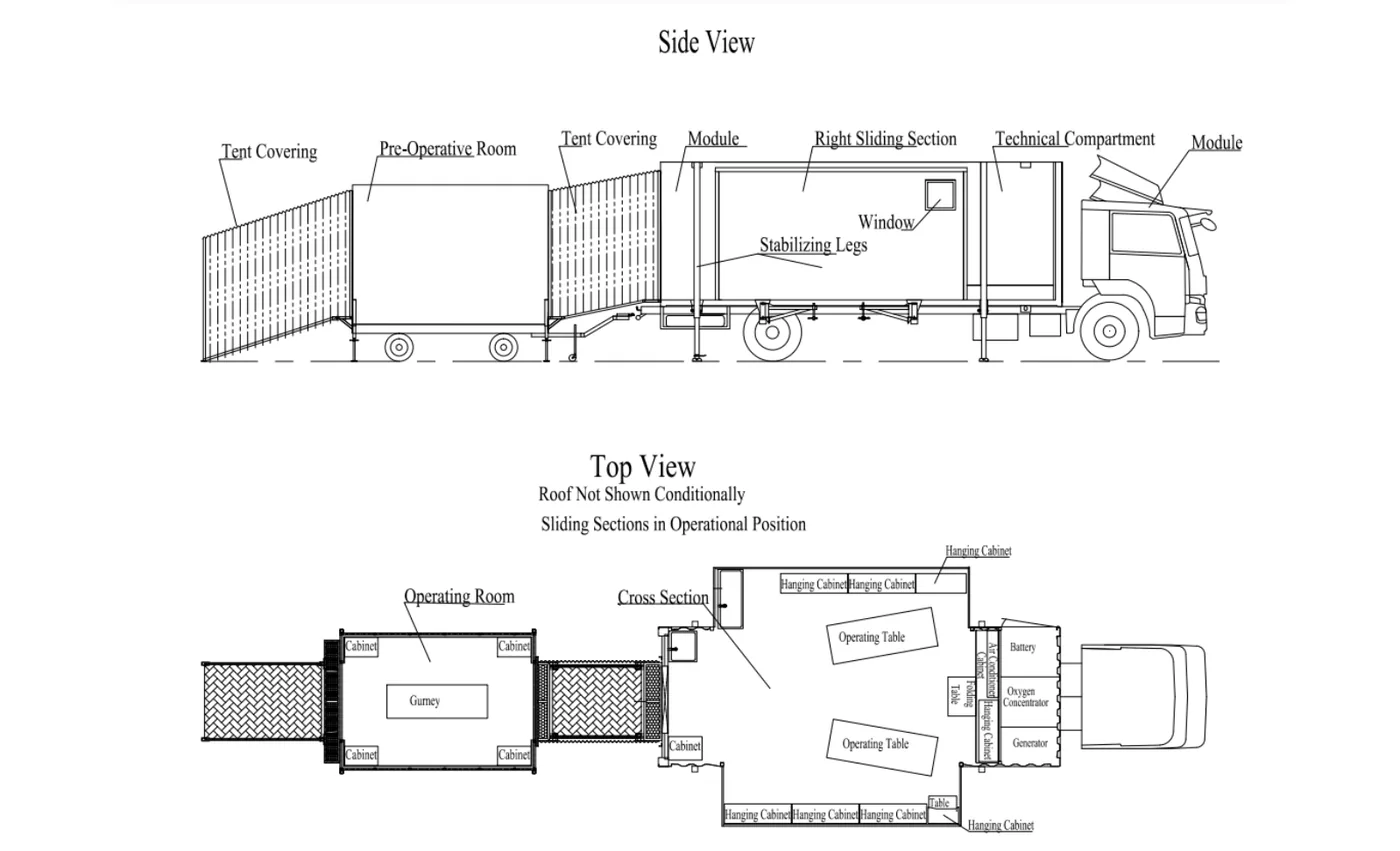
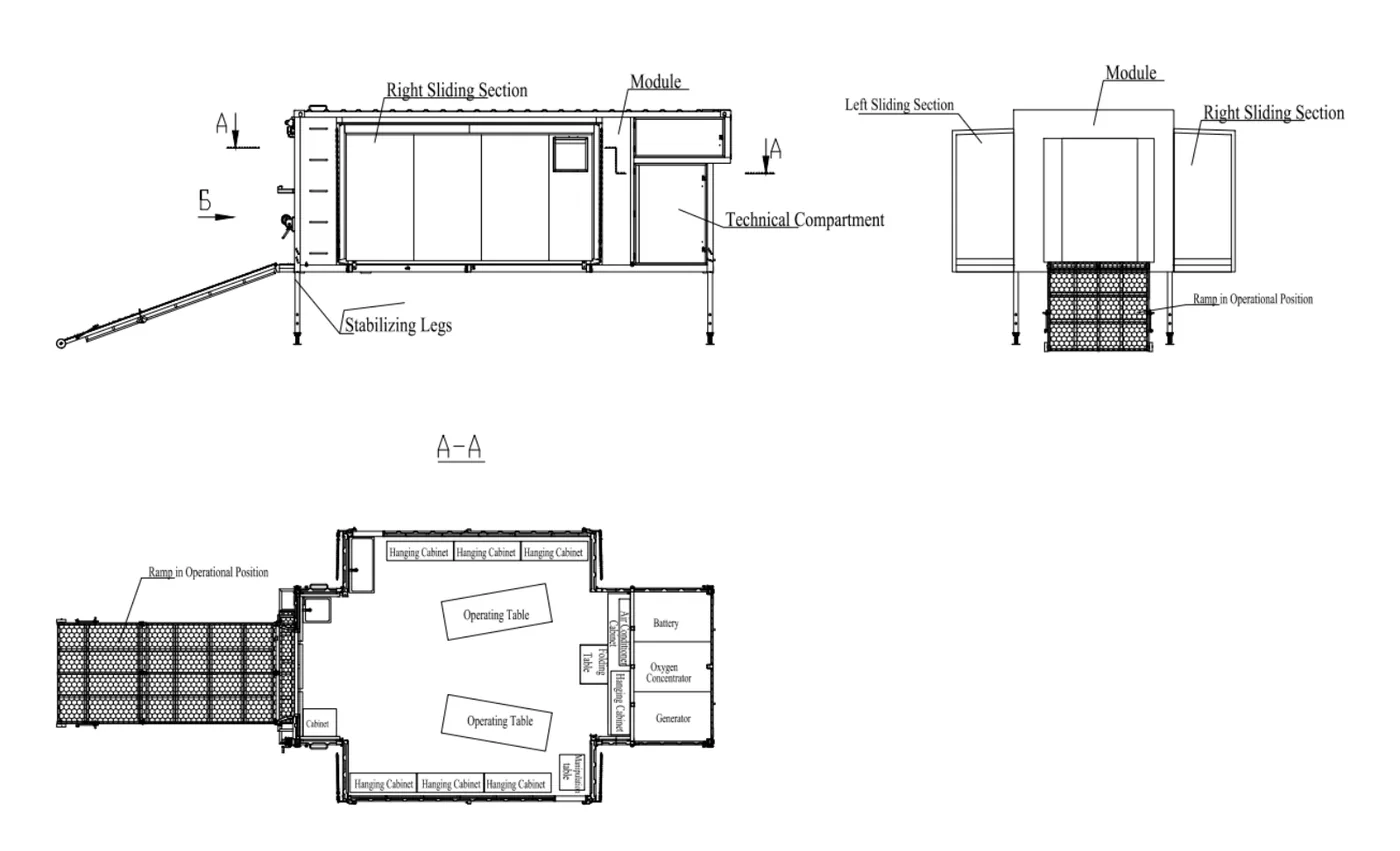
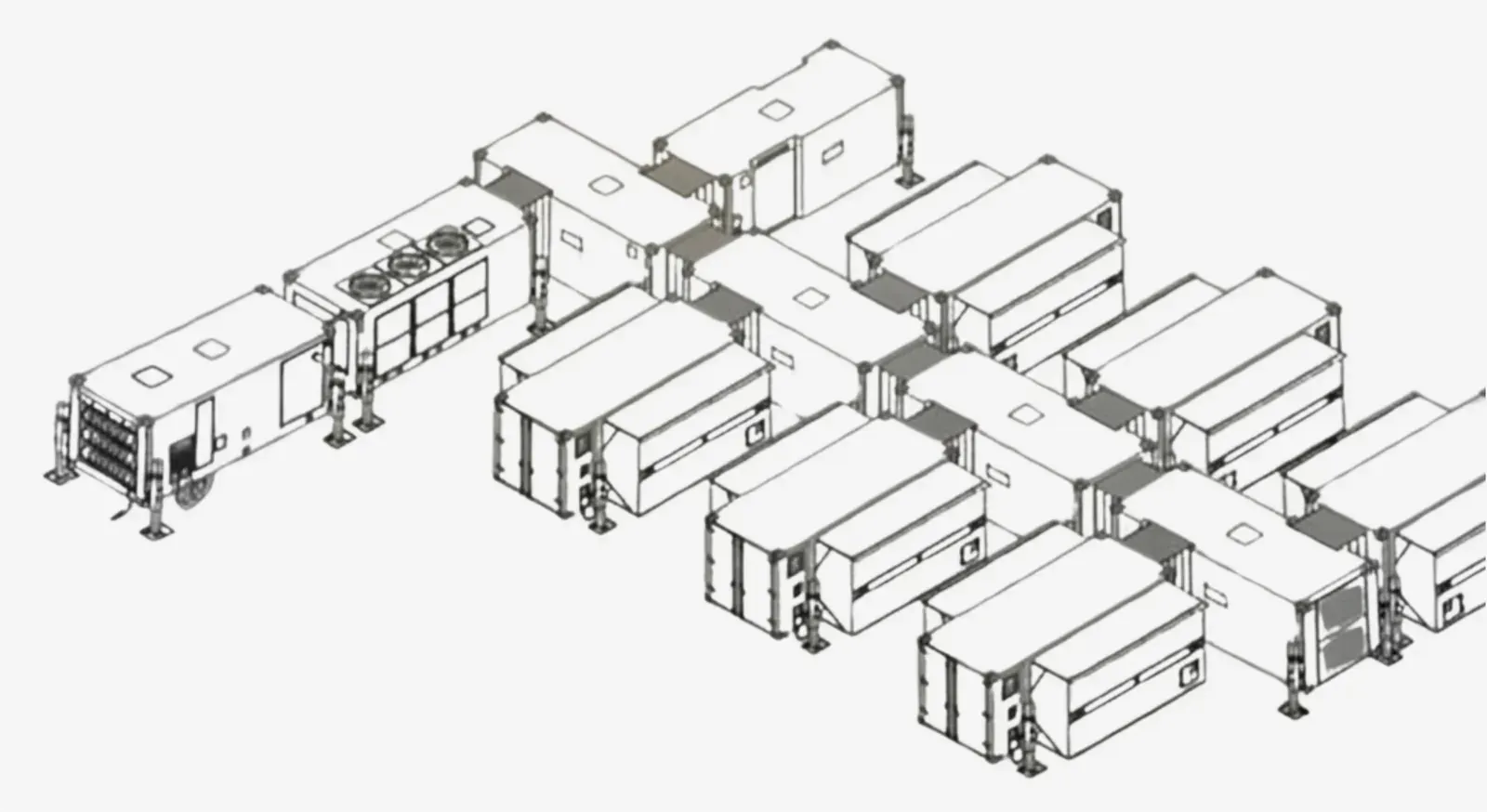
We supply the medical units in five proven configurations — from a container on a semi-trailer to self-propelled sliding modules. Every configuration exists in real deployment and can be adapted to your operational requirements. Engineering drawings are available for each model as the basis for a custom layout.
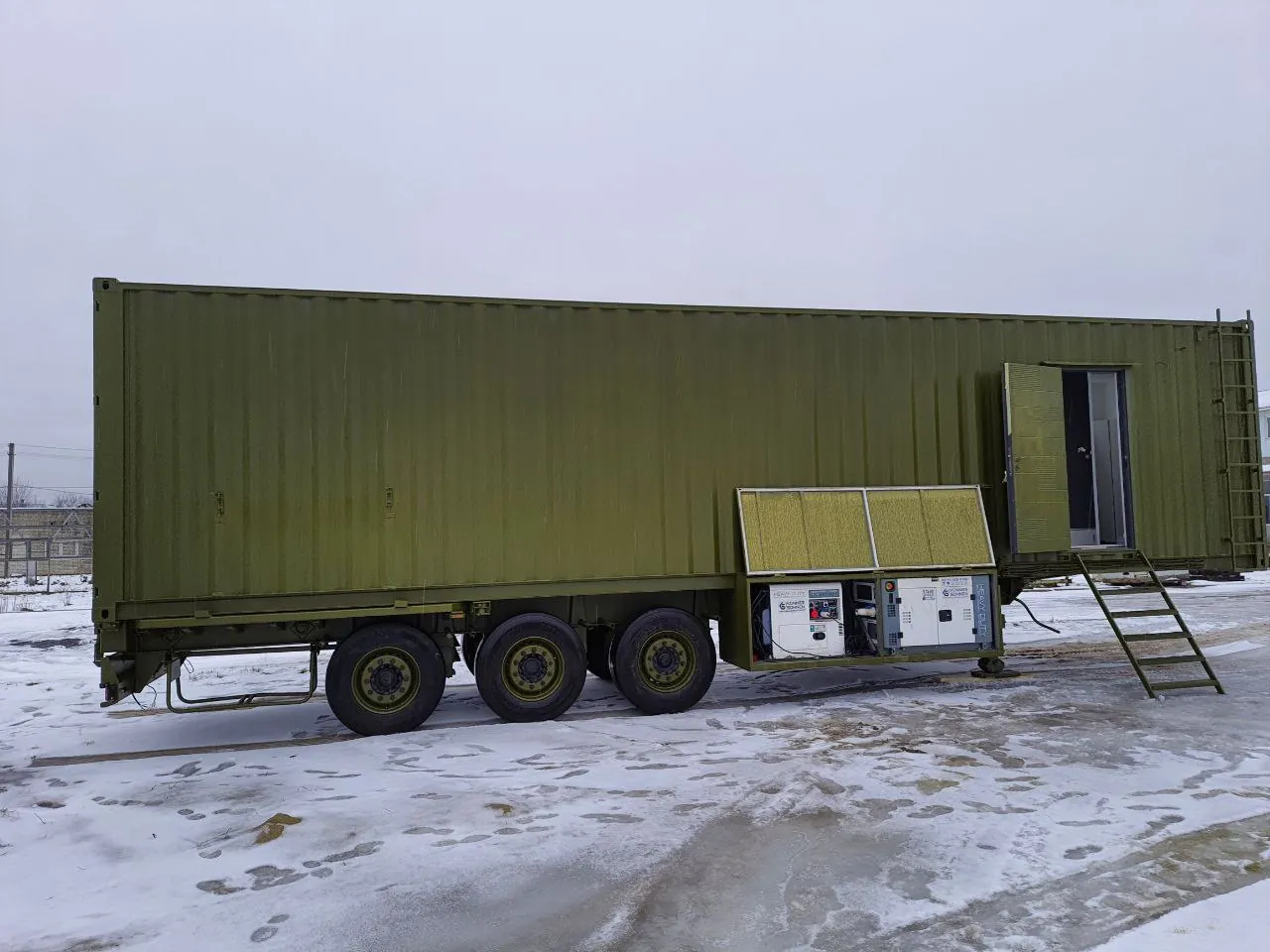
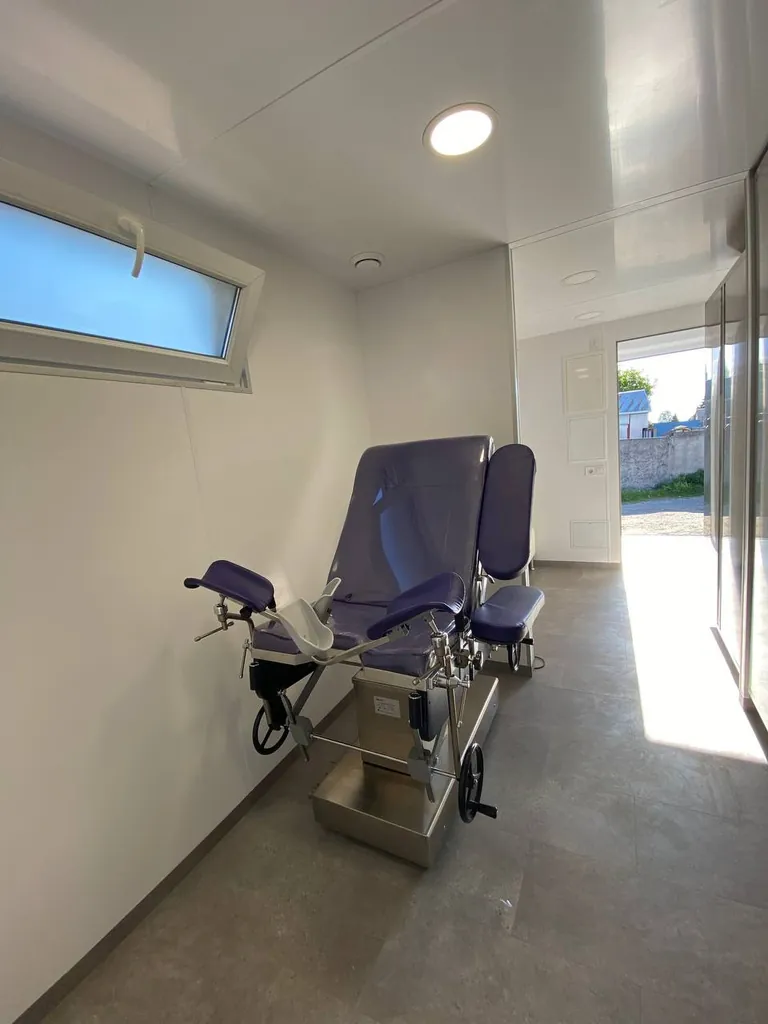
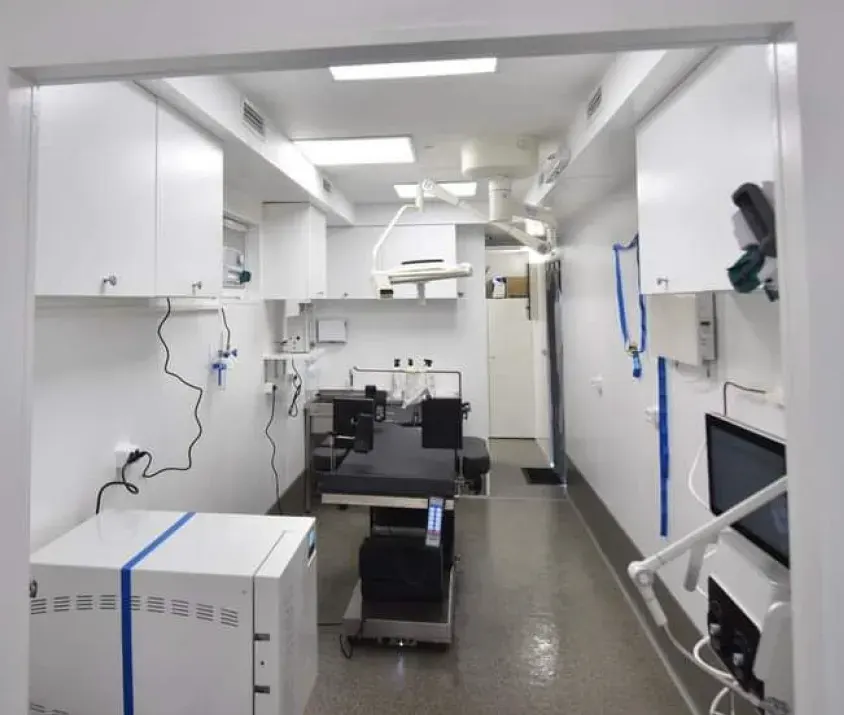
A complete field clinic in one 40′ container: examination room with two couches, operating room, sanitary room and a laboratory corner. Own boxed generator, air conditioning and a casualty access ramp.
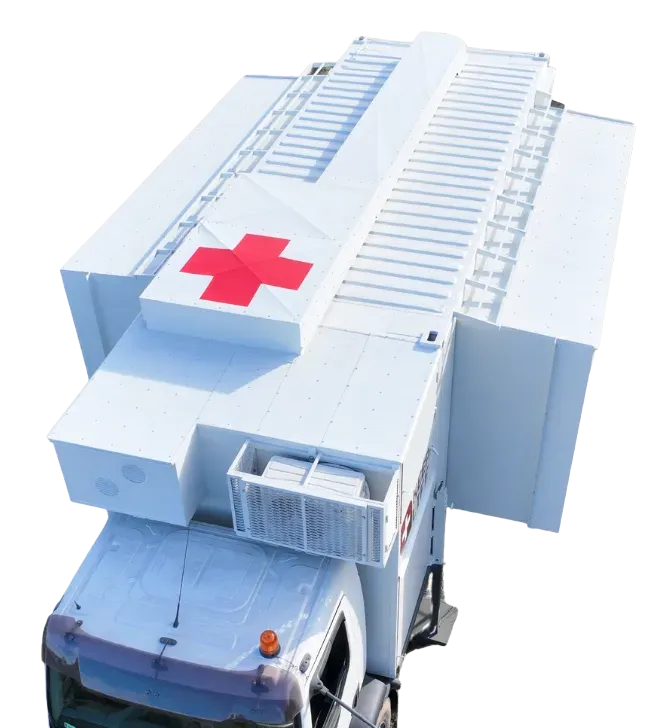
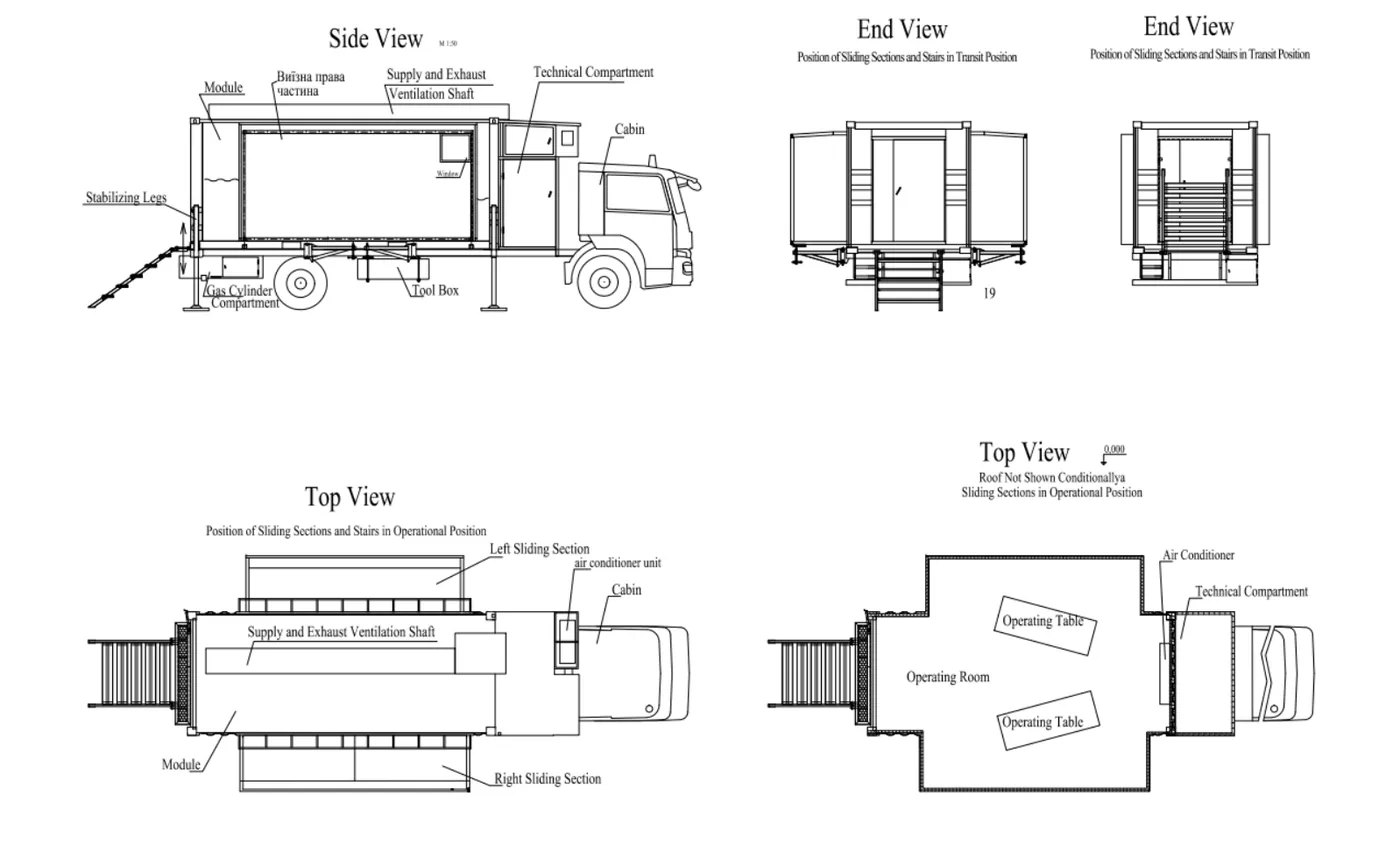
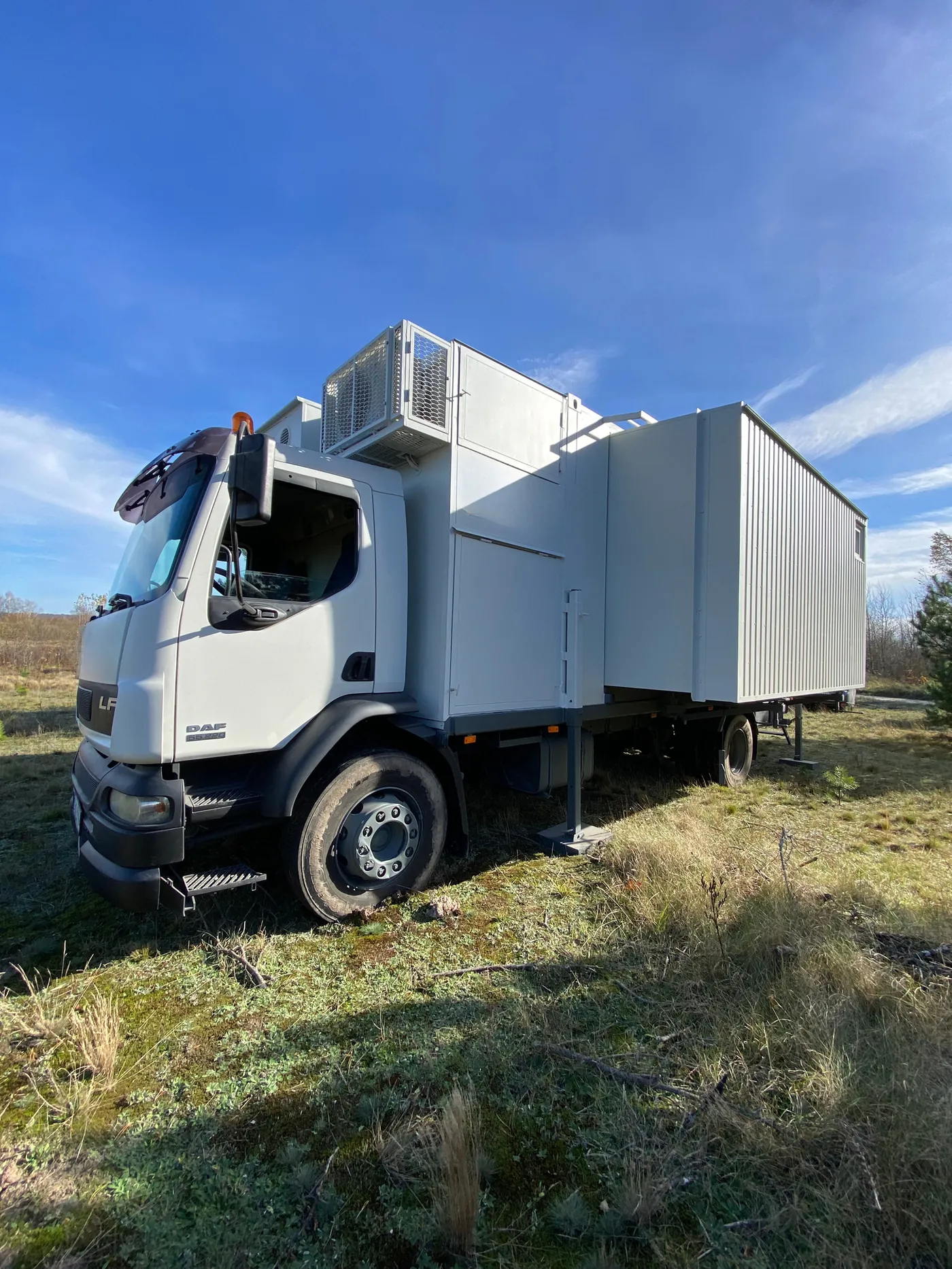
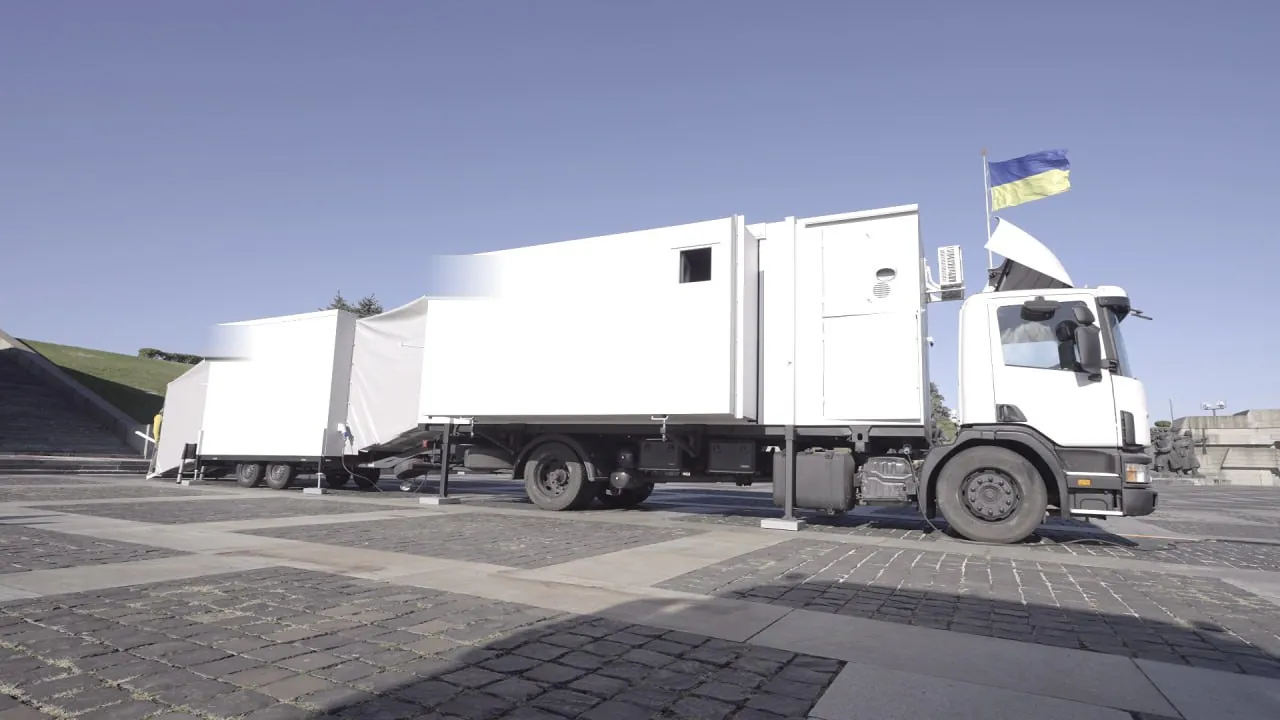
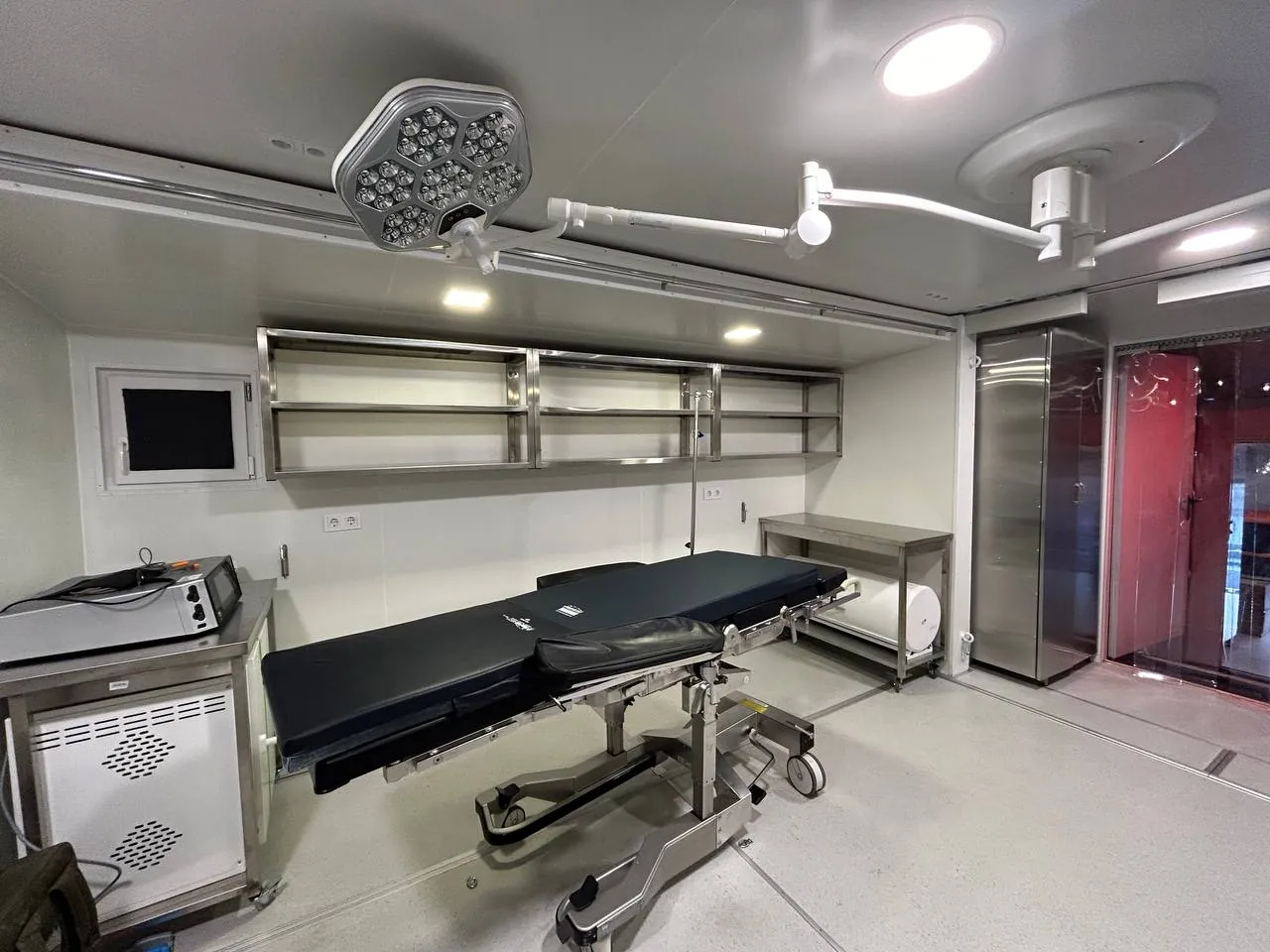
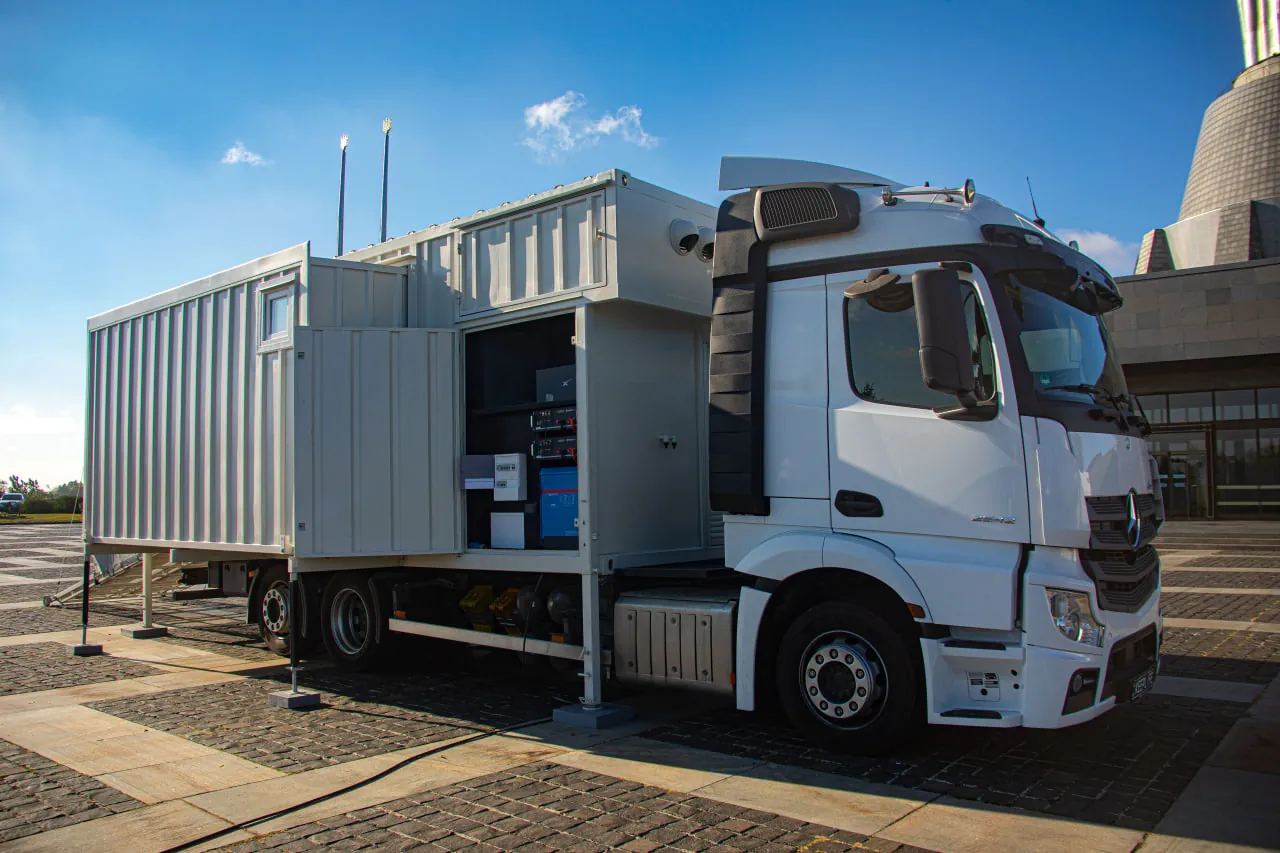
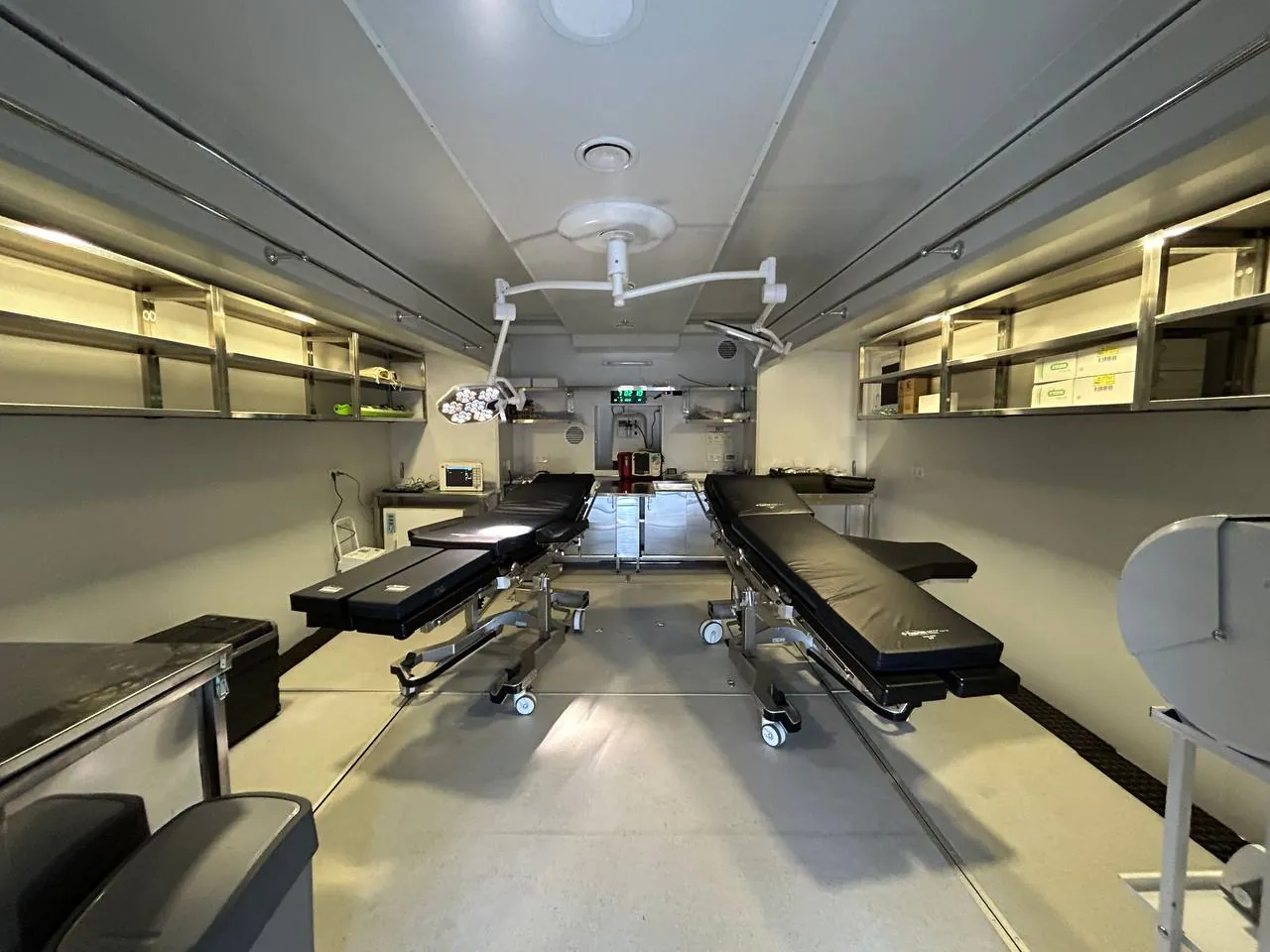
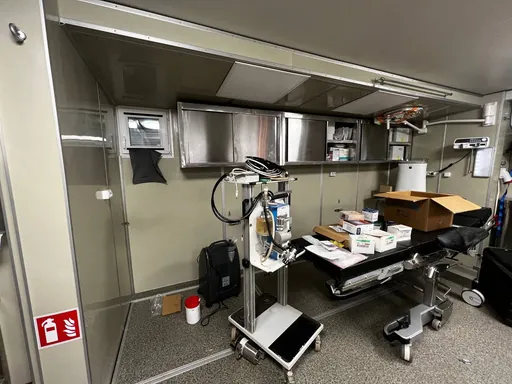
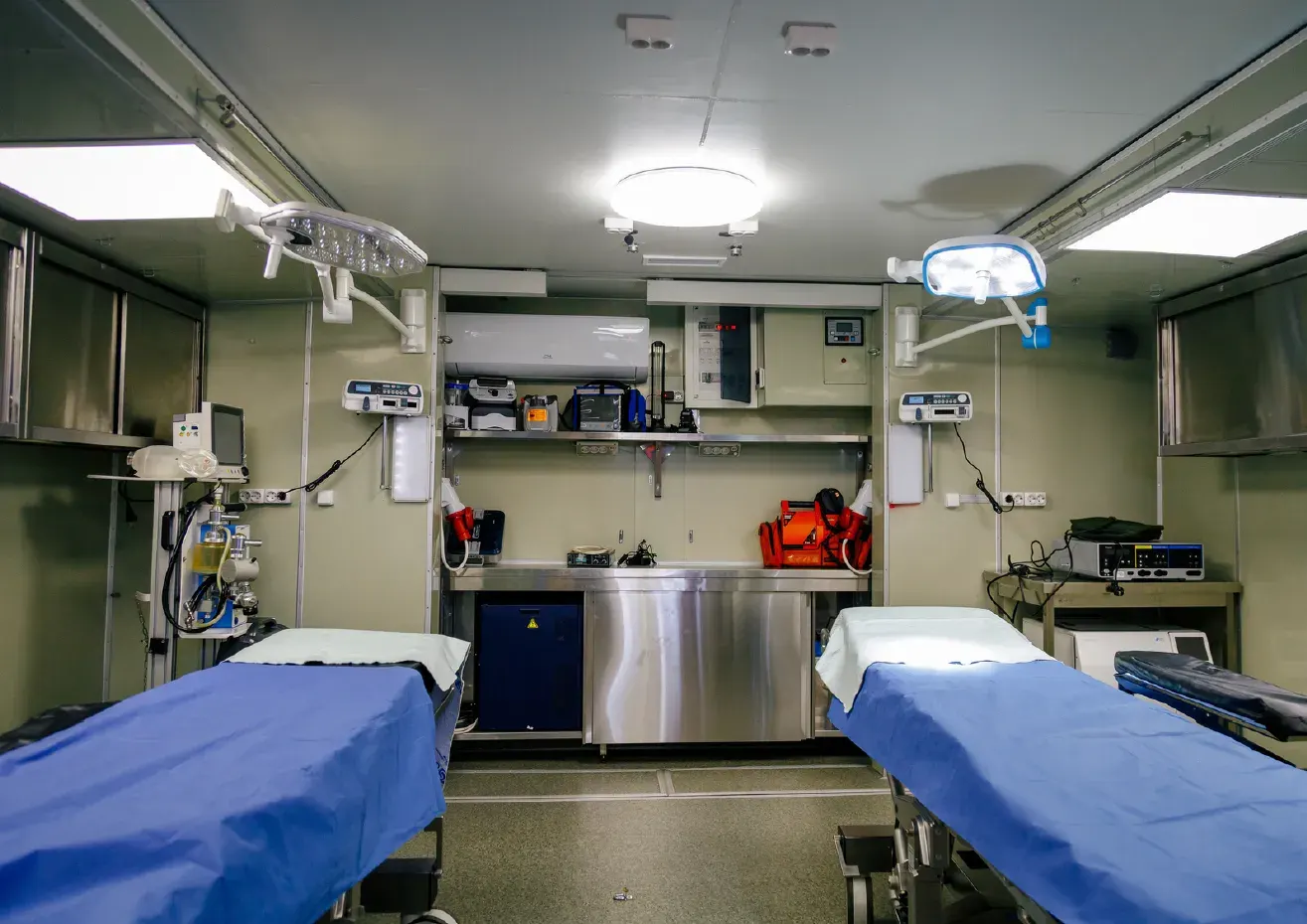
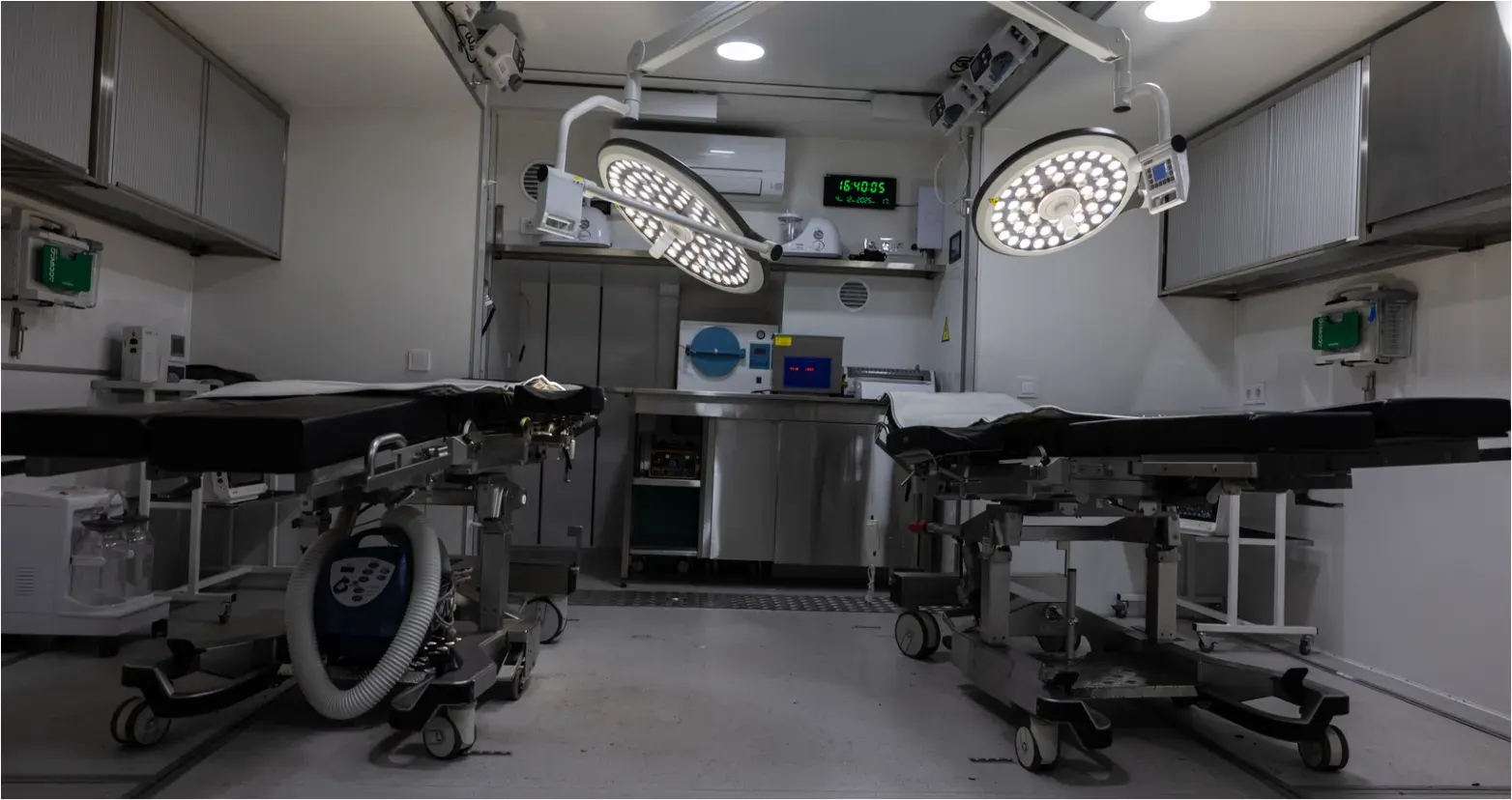
A module on a truck chassis. Once set on stabilising legs, both side sections slide out to create an operating room for two tables and two surgical teams working simultaneously. Separate technical compartment with the power systems.
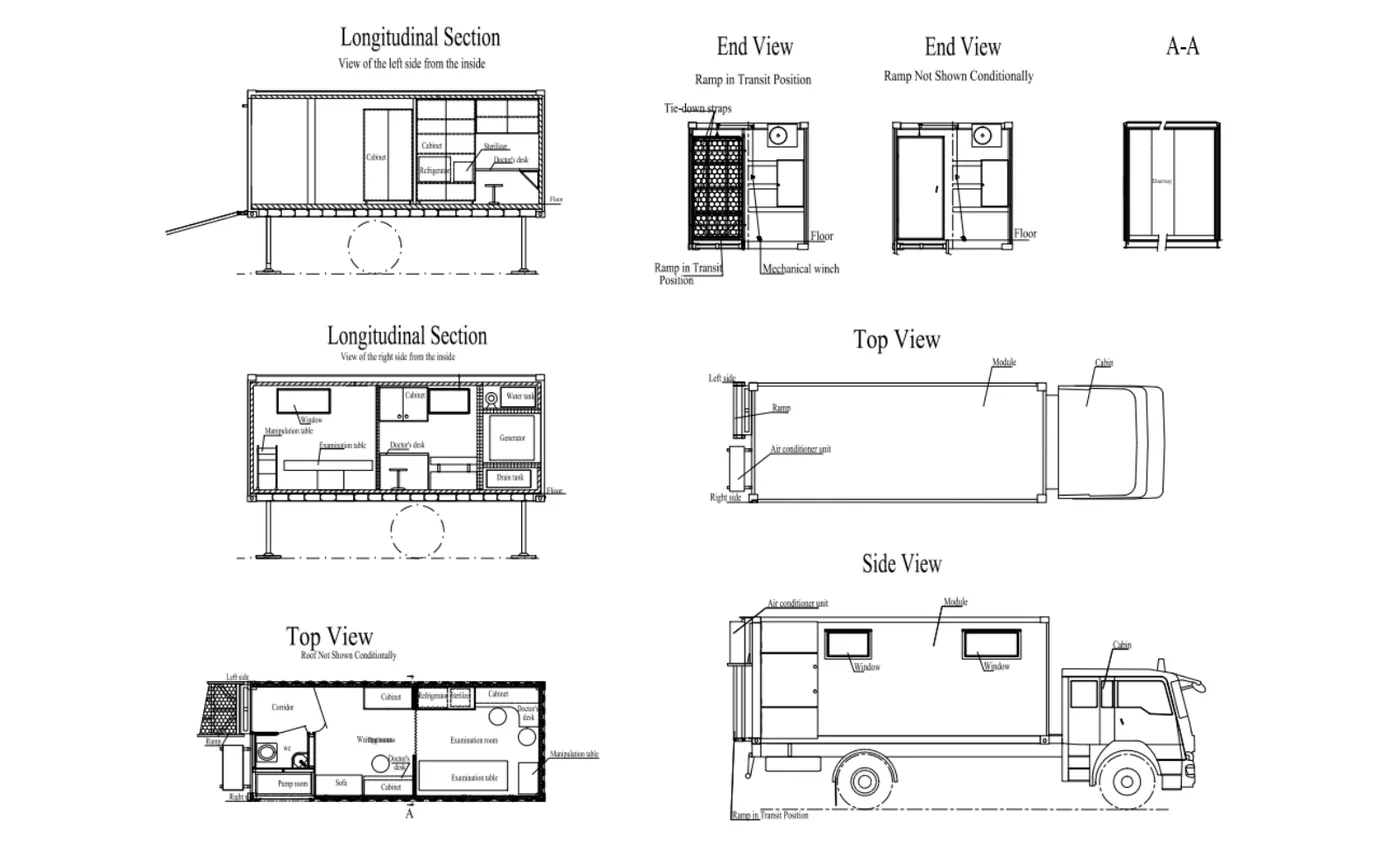
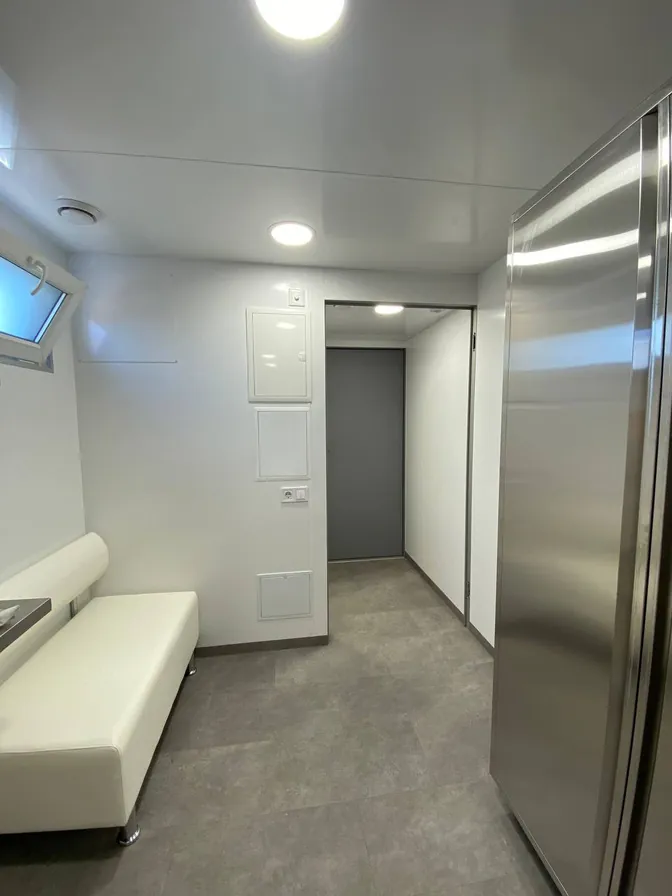
A compact module with an examination room, manipulation table, medical facilities, waiting area and its own generator and tanks. A mechanically folding ramp allows wheeled stretchers to be rolled straight inside.
An expandable set: a truck module with a two-table operating room, a trailer with a pre-operative room and connecting tent tunnels. Own batteries, oxygen concentrator and generator.
The same platform carries any medical or support fit-out. Interior build, devices and layout are configured exactly to the task — and modules can be combined into larger clusters.
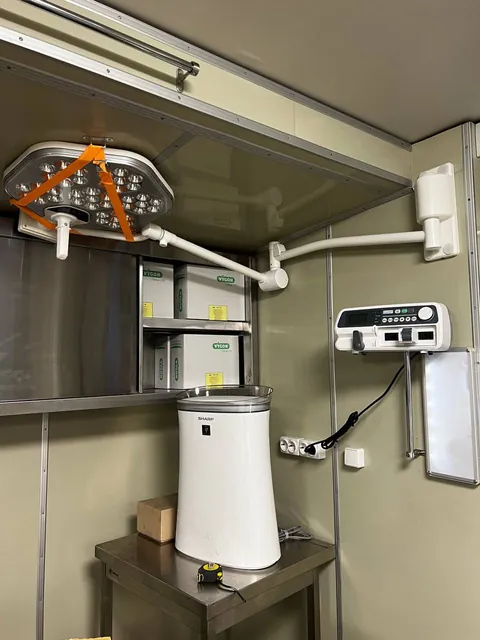
Every module is designed as a fully autonomous workplace independent of surrounding infrastructure — power, water, heat, communications and protection are part of the delivery.
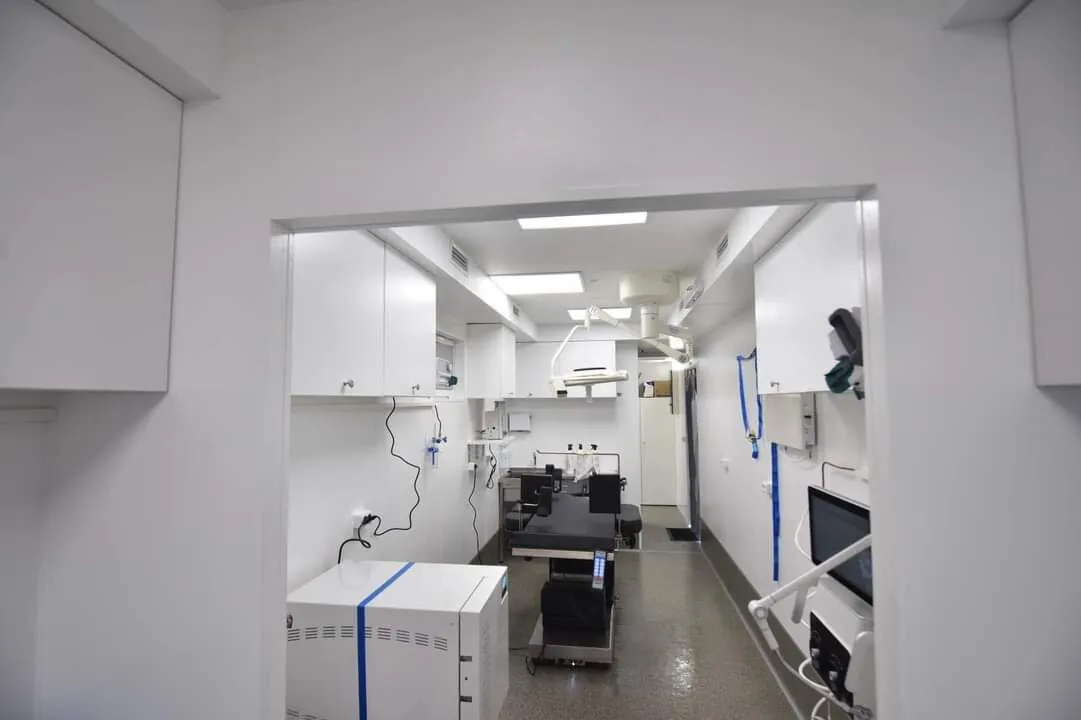
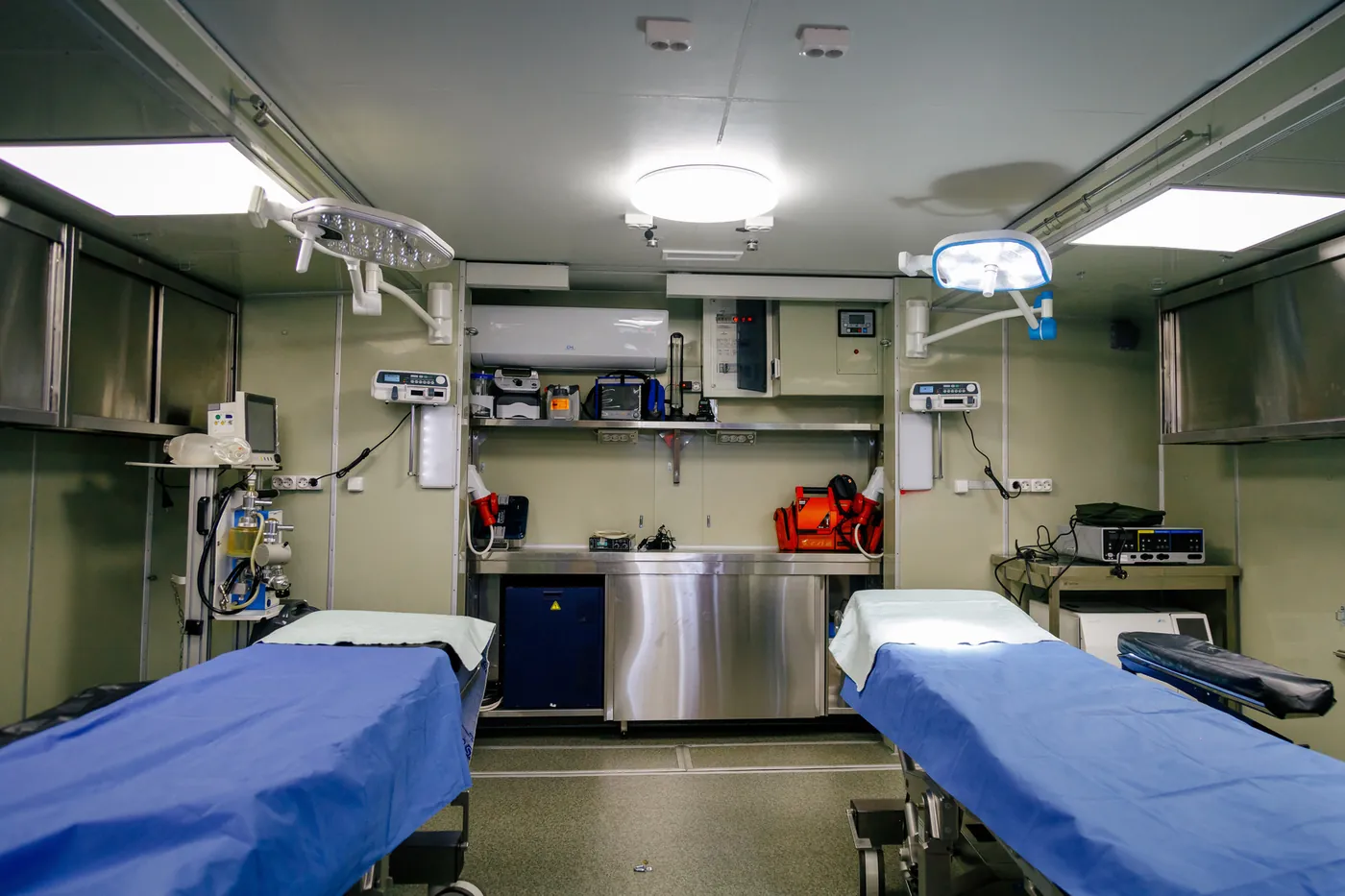
Devices are configured to the module's purpose — from a basic clinic to a fully equipped operating theatre. A typical surgical configuration includes:
The specific form of the module — carrier, dimensions, colour, equipment and degree of autonomy — is configured to your requirements and deployment conditions.
A sketch or a list of requirements is enough — we will prepare a solution tailored to your needs and deployment conditions.